
Back in middle school I always wondered why some work fields
are mostly comprised of men and other fields are majorly constituted of women.
For example, as I look out of my car window passing by construction sites, I
notice how all the construction workers were male. In fact, I have yet to see a
female construction worker. On the other hand, as I observe my surroundings
while waiting in line to buy lunch at school, I notice that most, if not all,
the lunch cashiers were female. Then, I pose the question: why? Why are some
jobs dominated by men while others are completely made up of female workers?

I
have always pondered this question until I read About Men. It was after I read
Ehrlich's essay when all the pieces of this puzzle came together and aligned
themselves into a plausible answer to this puzzling question. Ehrlich illustrates
how there are women “who use their ‘fragileness’ to avoid work or as a sexual
ploy, [while] there are men who try to hide theirs.” Throughout her argument, Ehrlich debunks this
common misconception by demonstrating that men and women are all fragile to the same degree; it is just the assumed gender roles of society that cause these
false differences in the “fragileness” between men and women. These assumed
gender differences in “fragileness” account for the many phenomena in the
workforce. It is because of a women’s role to be expressive about her “fragileness”
that repels her from jobs like construction. They are simply thought to be too “fragile”
to handle the tough, demanding physical drilling and hammering that is required
of a construction worker.
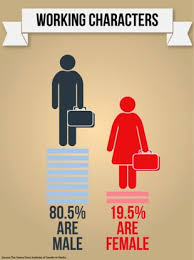
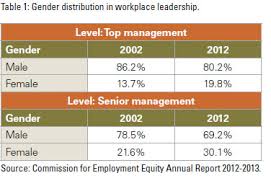
This is one of many fields this phenomenon occurs in;
engineering and medicine are some of these fields just to name a few. The next
revolutionary invention just might be in the head of a stay-at-home mother that
has wrongly been subjected to the unjust gender role that society has placed on
her.


I enjoyed this post. Nice tie in of the workforce to what we discussed in class. Also, nice incorporation of statistics that support your point, those really helped. Great post, looking forward to more!
ReplyDelete