Art has never really appealed to my sense of amazement. It
just never really touched me in a profound way. In a day and age where digital
cameras can capture vast landscapes and detailed portraits, I found paintings
to be inferior and obsolete to cameras. Then, I was introduced to Kehinde
Wiley's Officer of the Hussars painting.
It was at that moment that I realized that I couldn't be any
more wrong.

The first thing that stood out to me was the drastic
difference between the subject and setting. It seemed very odd for a modern man
to be riding a horse in the middle of a war ground during the nineteenth
century. Intrigued by this obvious feature, I researched some more about this
painting and learned that Wiley's inspiration for this painting came from the
original painting The Charging Chasseur by Theodore Gericault and that Wiley is
known for replacing prominent white people in paintings with black ones in
order to make a statement. Then, it all made sense. Wiley's voice finally
reached me via his masterpiece. The act of replacing a white man of high rank a
black with a person shows Wiley's desire for equality among blacks and whites.
In addition, the fact that the white officer from Gericault's painting is
looking down and the black man is looking straight forward suggests that whites
constantly look down on minority races and don't give a chance for blacks to
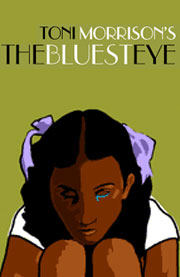
successfully live on "the unyielding earth" (Morrison 6) that society
creates for them.
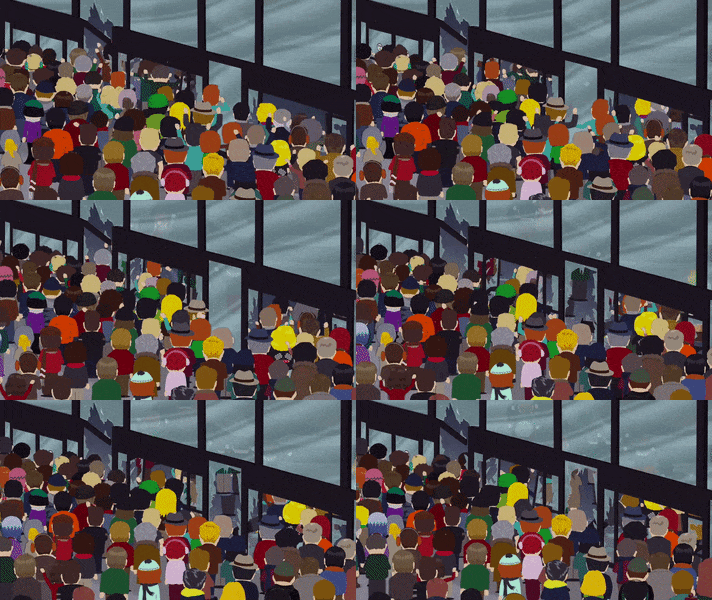 Black Friday. As soon as November hits, it seems as though
it is the only event everyone is talking about. Stores go crazy, sending flyers
about massive sales and announcing fantastic deals that discount items by
sometimes more than half their original price. People go crazy too, setting up
tents and sleeping outside of shops in the chilly November wind just to be the
first one in line to reap all the savings he/she can obtain. While this may
seem like it is a great opportunity to save some money, the thing that is
ironic is that many people – who are blinded at the sight of such colossal
discounts– spend more than they regularly would, resulting in the opposite of
their initial intentions.
Black Friday. As soon as November hits, it seems as though
it is the only event everyone is talking about. Stores go crazy, sending flyers
about massive sales and announcing fantastic deals that discount items by
sometimes more than half their original price. People go crazy too, setting up
tents and sleeping outside of shops in the chilly November wind just to be the
first one in line to reap all the savings he/she can obtain. While this may
seem like it is a great opportunity to save some money, the thing that is
ironic is that many people – who are blinded at the sight of such colossal
discounts– spend more than they regularly would, resulting in the opposite of
their initial intentions. 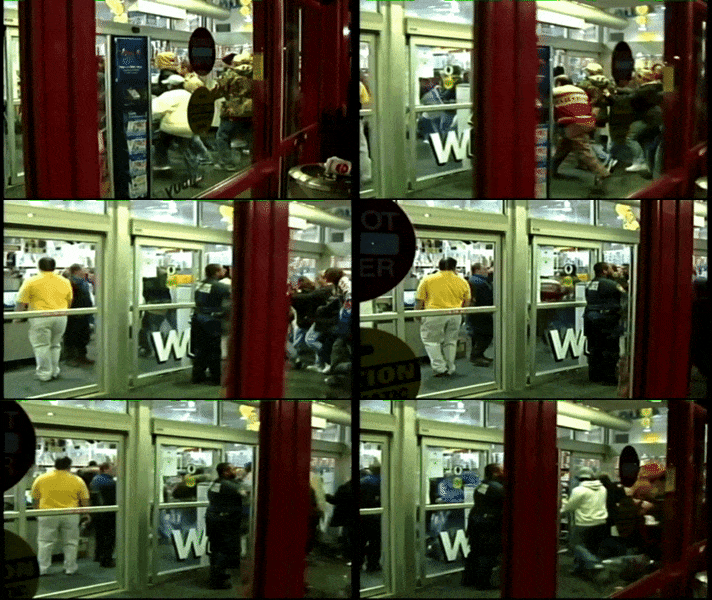 Now some might say, “So what? There’s nothing wrong
with acquiring more commodities at cheaper prices. What in the world is wrong
with that?” While nothing may be blatantly obvious, I encourage you to think
about what you were doing the day before Black Friday? That’s right. If you
celebrate Thanksgiving, you were probably eating some turkey and offering thanks
to everything in your life that you already have. Nonetheless, you still go
spend your money on unnecessary items that may be of no need to you the very
next day. This ironic truth goes to show how materialistic the society in which
we live in has become. This same materialistic mindset can be seen through
Daisy when she begins “to cry stormily”: “‘They’re such beautiful shirts,’ she
sobbed, her voice muffled in the thick folds. ‘It makes me sad because I’ve
never seen such – such beautiful shirts before.’” (Fitzgerald 92). Just how
Daisy accepted Tom’s marriage proposal because he gave her an extravagant necklace,
she is displaying her same materialistic characteristics by showing such strong
emotion towards Gatsby due her impressment by his wealth.
Now some might say, “So what? There’s nothing wrong
with acquiring more commodities at cheaper prices. What in the world is wrong
with that?” While nothing may be blatantly obvious, I encourage you to think
about what you were doing the day before Black Friday? That’s right. If you
celebrate Thanksgiving, you were probably eating some turkey and offering thanks
to everything in your life that you already have. Nonetheless, you still go
spend your money on unnecessary items that may be of no need to you the very
next day. This ironic truth goes to show how materialistic the society in which
we live in has become. This same materialistic mindset can be seen through
Daisy when she begins “to cry stormily”: “‘They’re such beautiful shirts,’ she
sobbed, her voice muffled in the thick folds. ‘It makes me sad because I’ve
never seen such – such beautiful shirts before.’” (Fitzgerald 92). Just how
Daisy accepted Tom’s marriage proposal because he gave her an extravagant necklace,
she is displaying her same materialistic characteristics by showing such strong
emotion towards Gatsby due her impressment by his wealth.